
Serbia began a political transition on Monday (26) after candidates backed by the student movement won Sunday’s parliamentary election. Aleksandar Vučić conceded defeat, while the next prime minister remained undecided, according to Reuters and the Associated Press.
From electoral victory to forming a government
Reuters reported that the student list had 52.7% of the vote with almost 99% counted. The result was not yet final. Selecting the cabinet and its key members will be central steps in the transition.
A parliamentary victory must be distinguished from a new government’s taking office: conceding defeat does not, by itself, settle who will fill each position.
Protests and expectations of change
The mobilization gathered strength after a canopy collapsed at Novi Sad’s railway station in 2024, killing 16 people. Protesters linked the tragedy to suspected corruption in renovation work.
According to AP, the list includes professionals from different fields and faces the challenge of turning mobilization into institutional action. A presidential election expected by the end of the year is also part of the political landscape.
The next development to watch is the passage from election results to government formation and concrete measures — distinct stages that should not be treated as already completed.
Sources and image
Reuters, October 26, 2026; Associated Press.
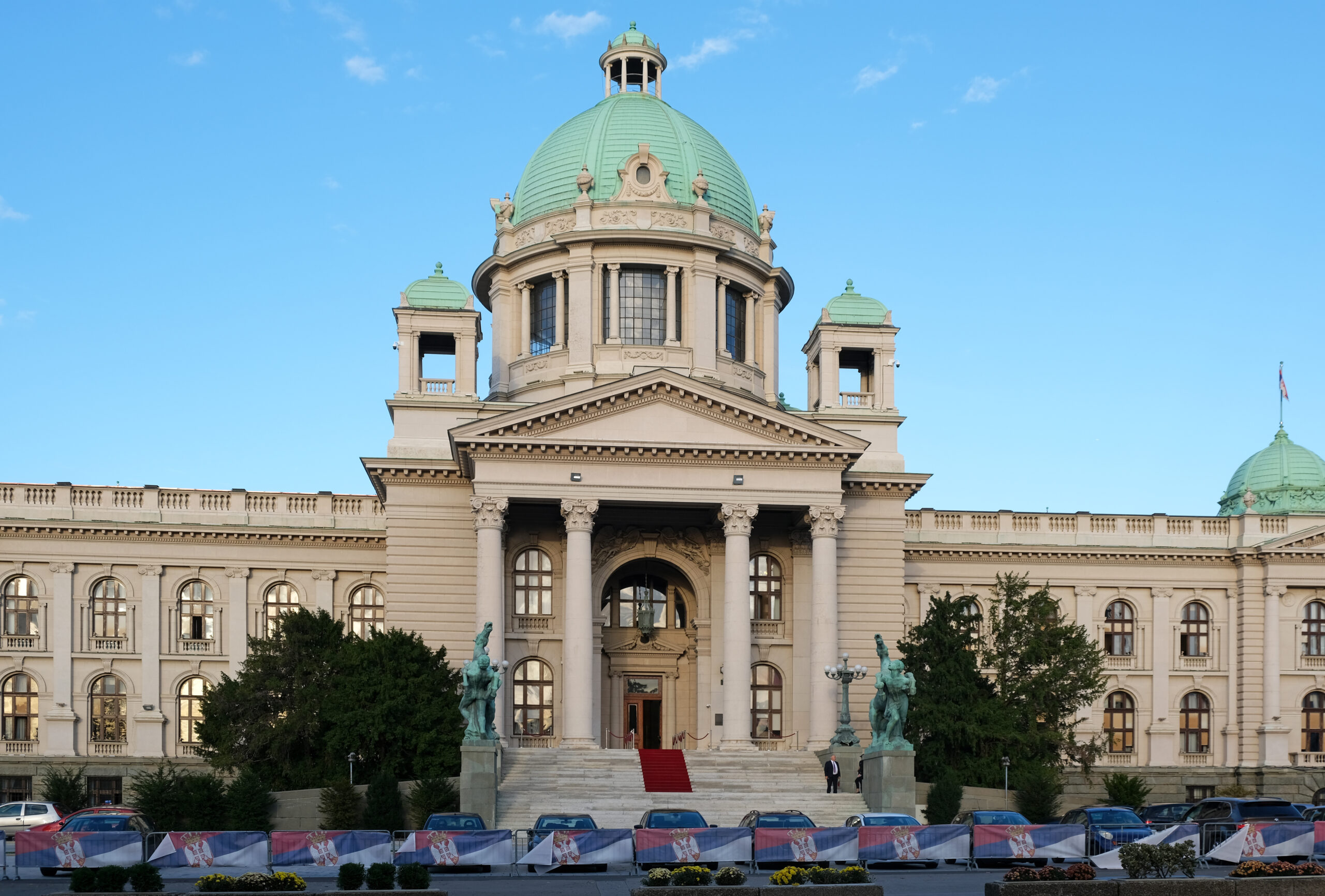
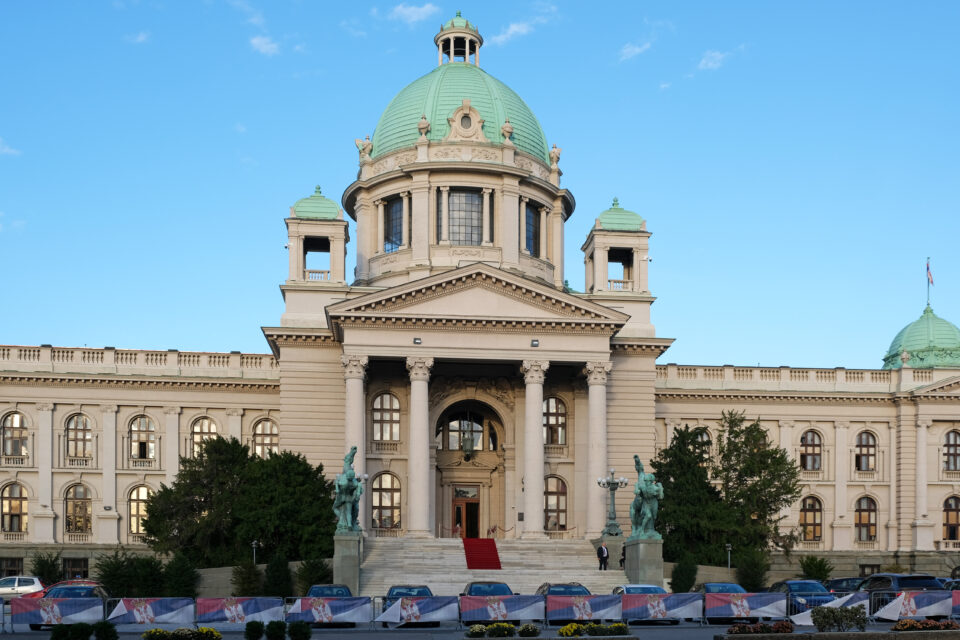
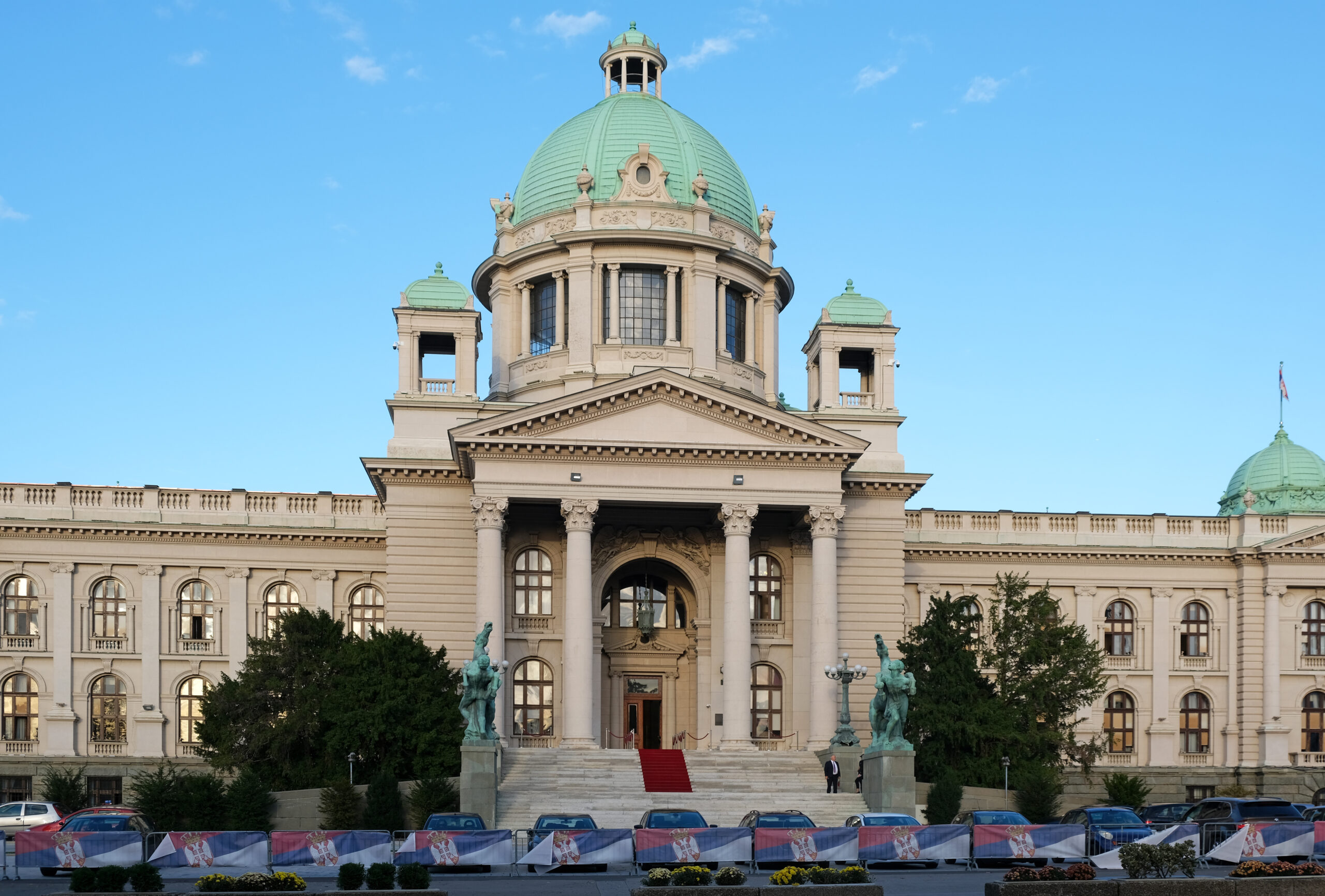
Archive photograph: National Assembly in Belgrade, November 2023. Kallerna/Wikimedia Commons, CC BY-SA 4.0. It does not show the current election or demonstrations. Presentation crops retain the same license. Image source.