
The United States is holding ceremonies on Friday, September 11, 2026, to mark the 25th anniversary of the terrorist attacks on New York, the Pentagon and Pennsylvania. Families, survivors, emergency workers and public officials are returning to the sites directly connected to the tragedy to honor the nearly 3,000 people killed in 2001 and acknowledge the consequences that continue to affect American society.
In New York, the ceremony at the National September 11 Memorial & Museum maintains the traditional reading of the victims’ names and moments of silence at the times that marked the attacks and the collapse of the Twin Towers. This year’s observance includes a specific tribute to people who later died from illnesses linked to the dust and toxic materials released around the World Trade Center.
Remembrance at all three attack sites
Commemorations are also taking place at the Pentagon in Arlington, Virginia, and at the Flight 93 National Memorial near Shanksville, Pennsylvania. President Donald Trump is attending the Pentagon ceremony, while other officials are participating in events in New York and Pennsylvania. Families are joined by firefighters, police officers, rescue workers and representatives of affected communities.
The September 11, 2001 attacks were carried out by 19 members of al-Qaida who hijacked four commercial aircraft. Two planes struck the World Trade Center towers, one hit the Pentagon and a fourth crashed in Pennsylvania after passengers and crew fought back. A total of 2,977 victims were killed, excluding the attackers.
Consequences across generations
The impact extended far beyond the attack sites. The U.S. response reshaped foreign policy, led to the wars in Afghanistan and Iraq and expanded security at airports, borders and surveillance systems. The country created the Department of Homeland Security and adopted laws that still drive debate about national protection, privacy and civil rights.
The 25th anniversary also highlights a generational shift. A growing share of Americans were born after 2001 or were too young to remember the attacks. Museums and remembrance institutions have therefore expanded educational projects, exhibitions and survivor accounts to explain both the event and its political and social consequences.
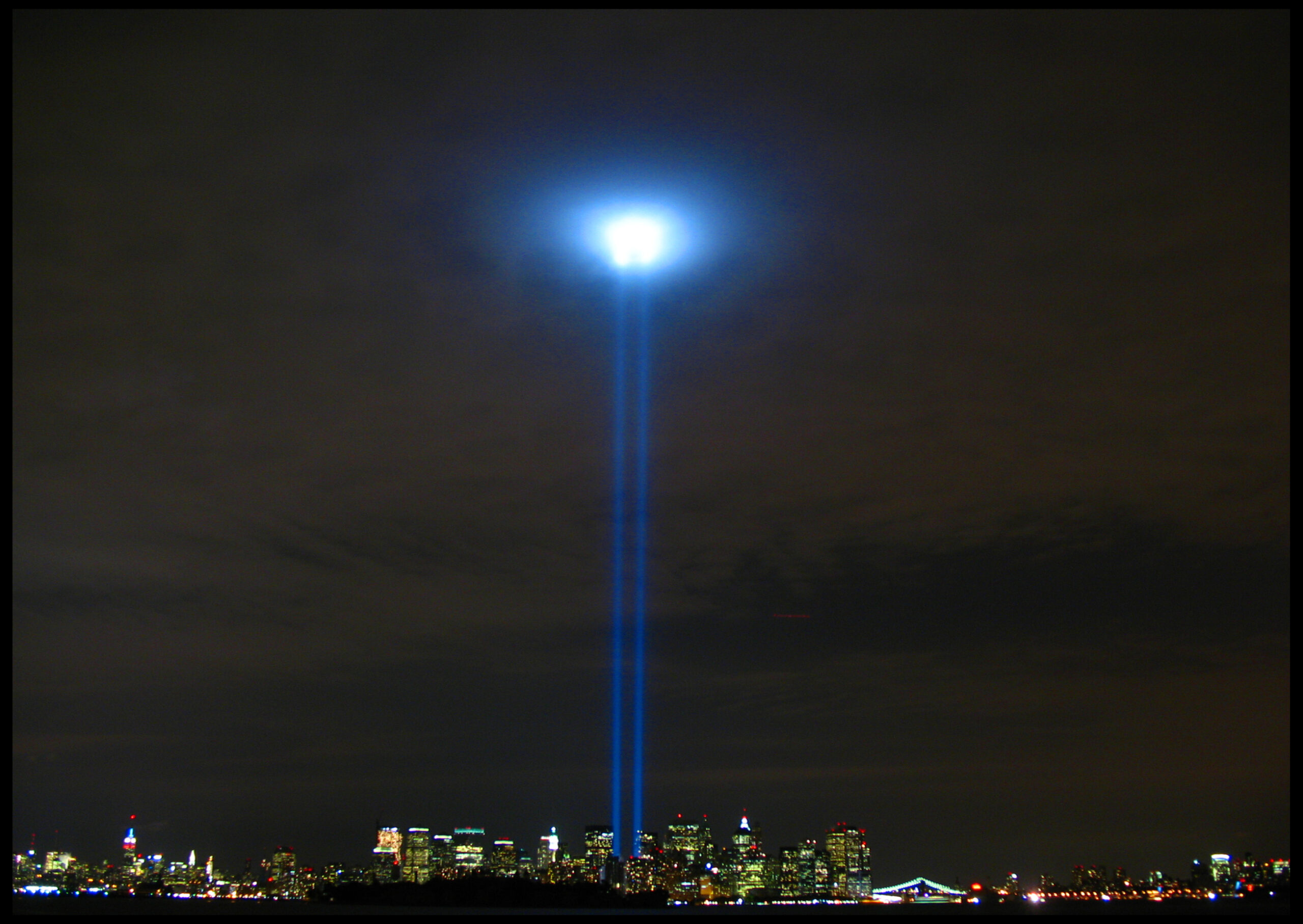
The National September 11 Memorial & Museum prepared programs for younger generations and a special broadcast of Tribute in Light, the installation of two light beams representing the Twin Towers. The institution says preserving individual stories is essential so that the passing of time does not reduce the tragedy to statistics or historical images.
Rescue workers’ health remains central
Thousands of people who worked around the World Trade Center later developed respiratory illnesses, cancers and other conditions recognized as related to their exposure. A moment of silence dedicated to those deaths underlines that the human toll continued to grow long after 2001.
September 11 is also observed in the United States as a National Day of Service and Remembrance. Communities organize volunteer projects, donation drives and local tributes, connecting the memory of the victims with public service.
A quarter-century later, the ceremonies combine mourning, historical memory and reflection on decisions made after the attacks. Memorial institutions emphasize preserving the names and personal histories of those who died while helping new generations understand how that day transformed security, politics and everyday life in the United States and beyond.