
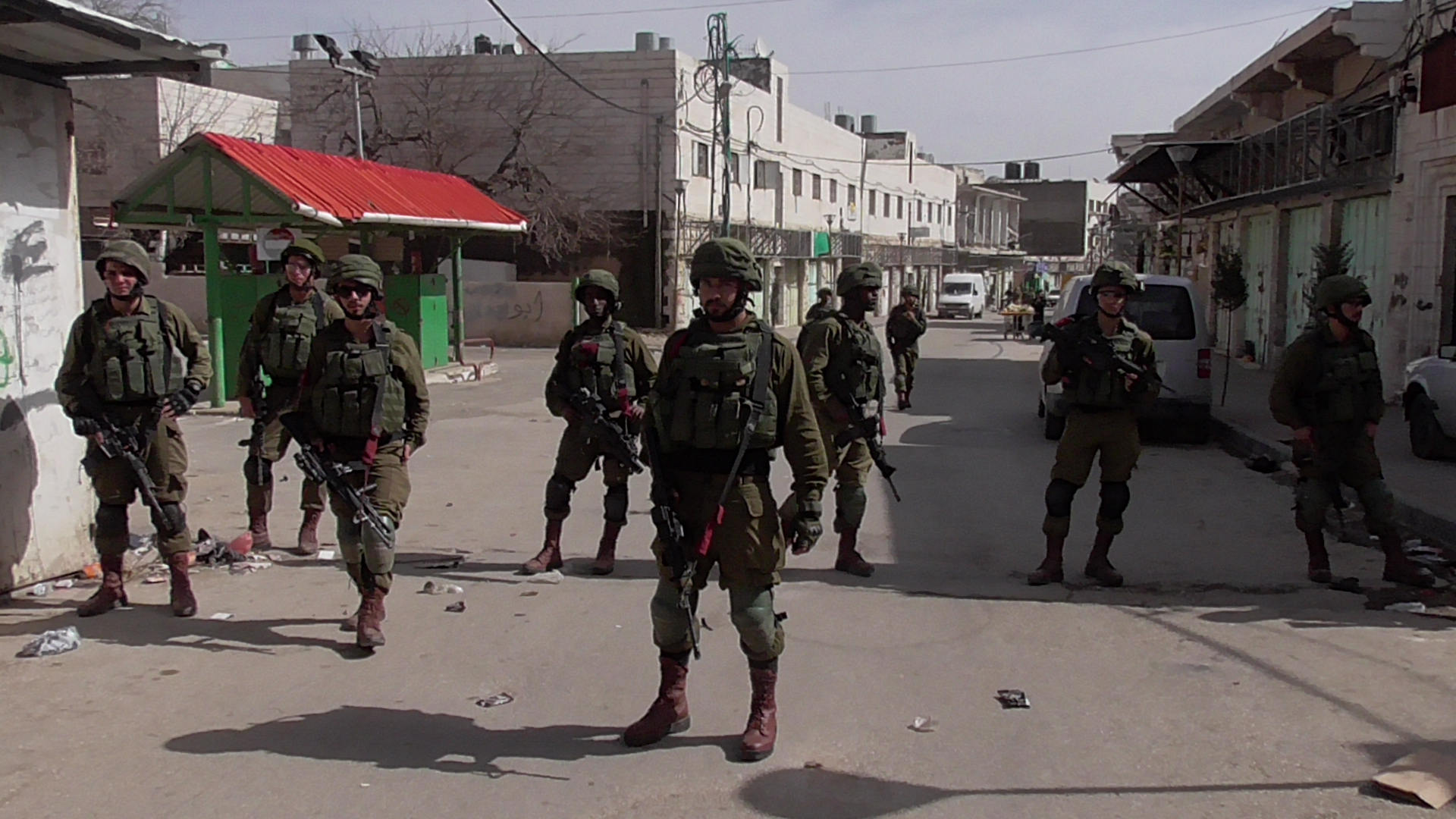
A shooting attack near Hebron, in the occupied West Bank, left two Israeli soldiers and two Palestinian attackers dead this Friday, October 23. Following the clash, the Israeli government announced a siege of the Hebron area and instructed security forces to prepare to expand blockades across the territory.
The escalation occurred just days before the Israeli parliamentary election and heightened tension in a region where movement restrictions, military operations, and settler attacks had already been intensifying. UN Secretary-General António Guterres expressed concern over the rising violence and called on all parties to immediately cease violent acts.
What happened near Hebron
According to the Israel Defense Forces, cited by the Associated Press, two Palestinian men arrived at a military post near the Yehuda junction, on the outskirts of Hebron, carrying an M16 rifle and a handgun. The shootout lasted about 20 minutes.
The soldiers killed were identified by the Israeli military as Sergeant Ron Yonatan Roytman, 23, and Sergeant Yuval Shai Svilem, 20. Three other soldiers were lightly injured, according to the same source. Both suspects were also killed by Israeli forces.
The military stated that the action thwarted an attack on civilians and said it found a large amount of ammunition in the vehicle used by the men. These are statements from Israeli authorities; as of the publication of this report, there was no full independent investigation into the attackers’ objective.
Siege, searches, and demolitions
Prime Minister Benjamin Netanyahu’s office ordered an immediate siege of Hebron and preparations for a broader closure of the West Bank. Netanyahu announced an operation in the attackers’ home neighborhood, involving house-to-house searches, weapons seizures, and the destruction of what the Israeli government classifies as militant infrastructure.
According to the Associated Press, Israeli forces conducted dozens of operations throughout the day, arrested suspects, and seized weapons. Finance Minister Bezalel Smotrich also ordered the demolition of Palestinian structures near the site of the attack, claiming they had been built without authorization.
The restrictions mainly affect the movement of Palestinians between towns and cities. The AP reported that roads remained open to Israeli drivers, though with potential delays. Friday’s closure was the fourth set of territory-wide restrictions recorded in the span of a month, according to the agency.
UN calls for an end to violence
The UN said it was extremely alarmed by the escalating violence and the widespread blockades imposed following the attack. Guterres condemned the incident and also recalled Israel’s obligation, as an occupying power under international law, to protect the Palestinian population and hold perpetrators of attacks against civilians accountable.
The organization renewed its call for all parties to immediately cease acts of violence. The appeal comes amidst an increase in attacks by Israeli settlers against Palestinians and military operations in the West Bank.
Political pressure ahead of the election
The attack and the Israeli response immediately entered the political debate. Netanyahu is seeking to renew his mandate in the election scheduled for next Tuesday. Members of the government’s far-right wing advocated for even broader measures against the Palestinian Authority, although no evidence was presented of the institution’s involvement in the attack.
The proximity of the vote increases the risk of security decisions being used in the electoral contest. At the same time, the announced measures have direct impacts on millions of Palestinians who rely on checkpoints and roads to work, study, and access healthcare services.
The extent and duration of the closure were not yet clear. The situation remains subject to rapid changes, and new data on casualties, arrests, and the scope of operations may be released by authorities and international bodies.
Sources
- Associated Press — attack, casualties, and announced measures
- UN News — reaction of the Secretary-General and blockades
- NPR — context of the Israeli response
Archive image: Israeli soldiers block a street in Hebron in February 2018. Credit: Yoram Sorek/Wikimedia Commons, CC BY-SA 4.0 license.