

The International Monetary Fund (IMF) slightly raised its 2026 global growth forecast, supported by expanding investment in artificial intelligence infrastructure. At the same time, it warned that growth is becoming more concentrated and vulnerable to the Middle East war, public debt, high borrowing costs and a potential correction in AI-related markets.
In the World Economic Outlook released on Tuesday, October 13, during the IMF and World Bank Annual Meetings in Bangkok, the Fund projected global growth of 3.1% in 2026 and 3.4% in 2027. This year’s estimate was 0.1 percentage point above the July update, while next year’s forecast was unchanged.
AI supports part of global activity
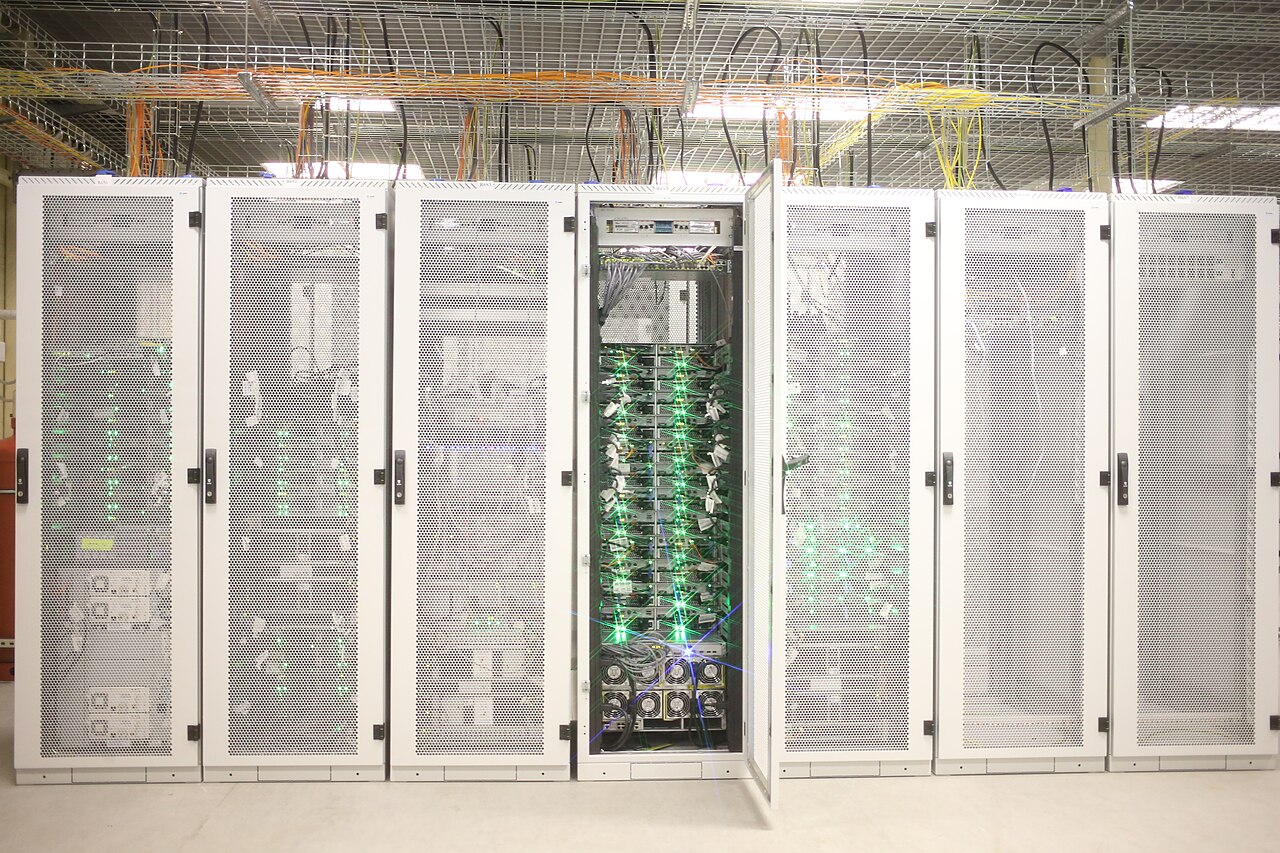
According to the IMF, investment in data centers, semiconductors, energy and other infrastructure needed for artificial intelligence has supported activity in the United States and economies connected to the technology supply chain. South Korea, Malaysia, Mexico and Thailand are among the countries benefiting from demand for equipment and components.
The boost, however, is not evenly distributed. The analysis reported by Reuters shows that only 32 countries now account for 95% of global growth, down from 54 countries in the April assessment. The IMF has also downgraded 47% of economies since then, especially energy importers outside the main AI supply chains.
This concentration reinforces a central message of the report: aggregate figures still show resilience, but they conceal growing differences. Low-income economies and countries dependent on imported oil and gas face higher costs, while technology producers and economies benefiting from favorable terms of trade are expanding more strongly.
Forecasts for major economies
The IMF expects the United States to grow by 2.3% in both 2026 and 2027. Private consumption, tax cuts and AI investment support activity, although some of the benefit is offset by the high import content of technology projects.
The 2026 forecast for the euro area was raised to 1.1%, reflecting technology investment, European industry participation in AI supply chains and higher defense spending. The United Kingdom is now expected to grow by 1.3% this year. China is projected to expand by 4.5% in 2026 and 4% in 2027, while India remains the fastest-growing major economy, with a 7% forecast for both years.
Global consumer-price inflation is expected to stand at 4.7% in 2026 and ease to 4.1% in 2027. Associated Press coverage notes that higher energy and food prices are keeping near-term pressure elevated, particularly in vulnerable economies.
War, debt and a possible technology correction
The projections rely on assumptions that remain highly uncertain. The IMF baseline uses an average oil price of $96 a barrel in 2026 and $87 in 2027. It also assumes the Strait of Hormuz will reopen in March 2027 and broader shipping conditions will normalize only in October of that year.
If the Middle East conflict worsens and keeps oil at $130 a barrel through the first quarter of 2027, global growth could lose 0.2 percentage point in 2026 and 0.5 point in 2027. Under that adverse scenario, 2027 inflation would rise by another 1.1 percentage point to 5.2%.
AI itself is another source of risk. If adoption accelerates and productivity gains arrive, global output could be 0.6% higher by 2029. But if expected returns fail to materialize, a sharp fall in investment and asset prices could directly reduce U.S. GDP by 0.8% and spill over to Asian technology exporters.
Resilience with less room to maneuver
The IMF says governments and companies softened recent shocks by drawing on inventories, changing suppliers and energy sources, and reducing oil demand. Those measures prevented a steeper slowdown, but their capacity to offset further shocks is fading.
The report therefore recommends rebuilding fiscal space and strengthening supply chains rather than treating the modest upgrade as a sign that conditions have normalized. Concentrated growth, high debt, financing costs and geopolitical risks leave the world economy increasingly dependent on a small number of engines — including an AI investment cycle whose long-term returns have yet to be demonstrated.
Sources: International Monetary Fund, Reuters and Associated Press.