
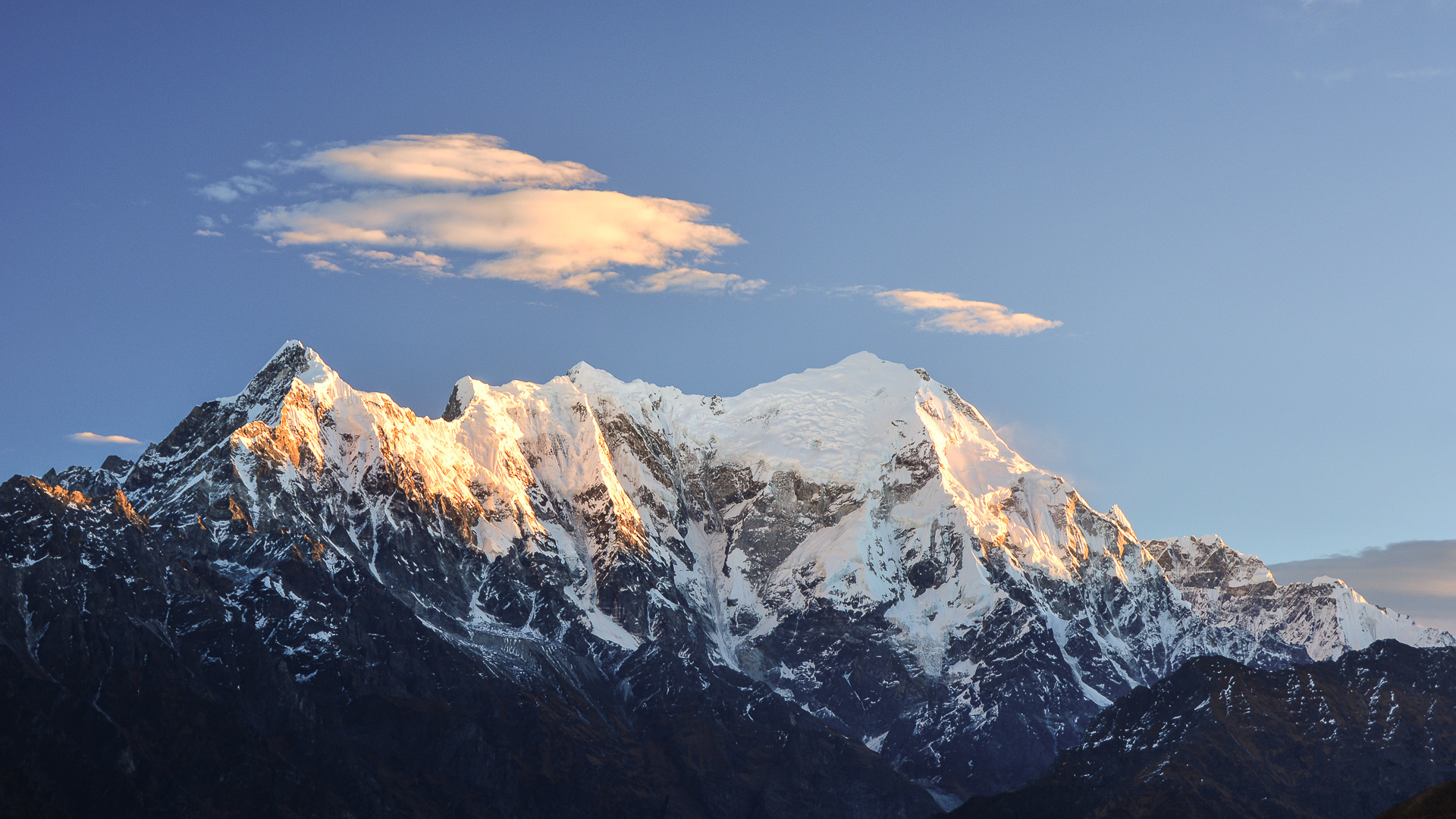
Nepal may need $4 billion to $5 billion to rebuild areas affected by floods triggered after a glacier collapsed on the border with Tibet. The estimate, presented by the Finance Minister, is equivalent to nearly 10% of the country’s economy.
The mass of ice, rock, mud, and debris swept through Himalayan valleys, destroyed towns, roads, and bridges, and struck hydroelectric projects. More than 600 deaths have been confirmed in Nepal and Tibet, while thousands of people remain missing. The figures remain subject to updates.
Energy and transport among affected sectors
Power plants responsible for more than 12% of Nepal’s energy capacity suffered damage. The disruption of roads and bridges also complicates the transport of food, rescue teams, and equipment to isolated communities.
The country relies heavily on tourism, remittances sent by workers abroad, and hydroelectric power. As a result, reconstruction could affect public finances, electricity generation, and economic activity for several years.
Risk of new burst decreases, but remains monitored
Chinese authorities reported that the lake formed after the collapse has begun to drain naturally. Satellite imagery indicated a reduction of approximately 21,000 square meters in its area, lowering the immediate risk of another burst.
A second, larger lake was identified near the glacier, but its depth has not yet been determined. Drones and radars are being used to track the unstable terrain and look for signs of further movement.
Technical assistance and adaptation
Nepal requested specialized assistance for tunnel operations, victim identification, and infrastructure reconstruction. Beyond the emergency response, experts advocate expanding glacial lake monitoring, warning systems, and valley land-use planning.
The exact cause of the collapse is still under investigation. Warming in mountainous regions can increase ice instability and lake formation, but each event requires specific analysis to separate different factors.
Sources: Reuters, reconstruction estimate and Reuters, lake monitoring.