
United States authorities confirmed in southern Texas the first known case of infestation by the New World screwworm fly in a horse in the country. The animal, used in ranching activities in Presidio County, presented the infestation in a lesion on its hind leg.
The diagnosis was verified by the United States Department of Agriculture. The occurrence increases health concerns following recent records of the parasite in other animals and the expansion of cases in Mexico.
Movement restrictions
The Texas Animal Health Commission restricted the movement of warm-blooded animals in a zone considered infested in Presidio and Jeff Davis counties. The measure aims to prevent infected animals from transporting larvae to other livestock areas.
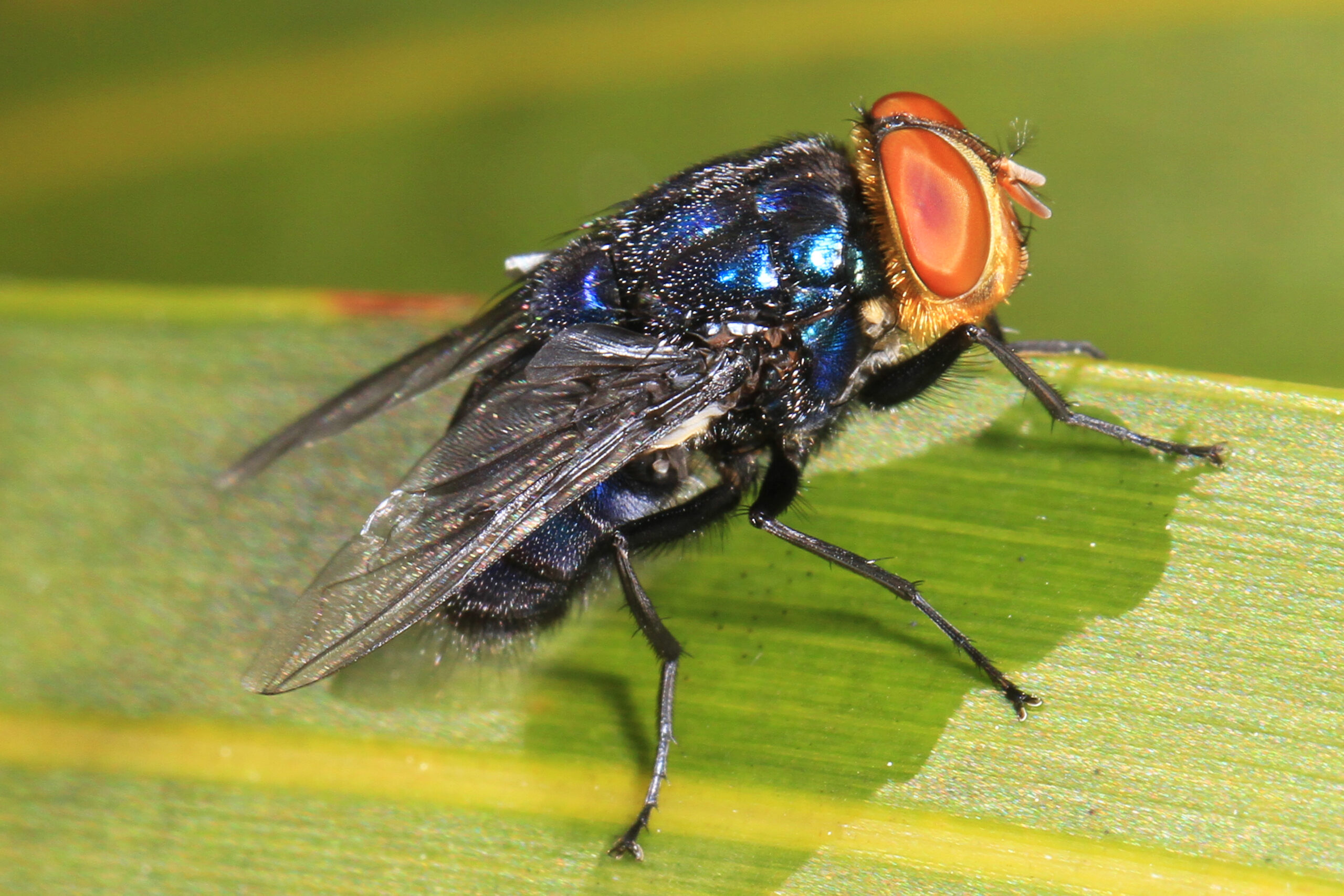
Screwworm is caused by the larvae of the fly Cochliomyia hominivorax, which lays eggs on the edges of open wounds. After hatching, the larvae feed on living tissue, deepening the lesions and creating a risk of severe infections.
Risk to livestock
The parasite was eradicated from the United States in the last century through the release of sterile male flies. Its return represents a threat to livestock, domestic animals, and wildlife. Estimates cited by US authorities indicate that a widespread outbreak could cause losses of up to $1.8 billion in Texas alone.
The origin of the infestation in the horse has not yet been clarified. Authorities and equestrian sector entities recommend daily inspection of animals, prompt wound cleaning and treatment, fly control, and immediate reporting of suspicious signs.
Human risk remains limited
Screwworm can affect humans, particularly when there are exposed wounds, but human cases are rare. It is not a disease transmitted directly from person to person. Health guidelines advise seeking medical care if a painful wound worsens rapidly or shows larvae.
The equine case will be monitored by state and federal agencies. Containment depends on surveillance on farms, animal movement control, and the sterile insect technique, used to reduce fly reproduction.