
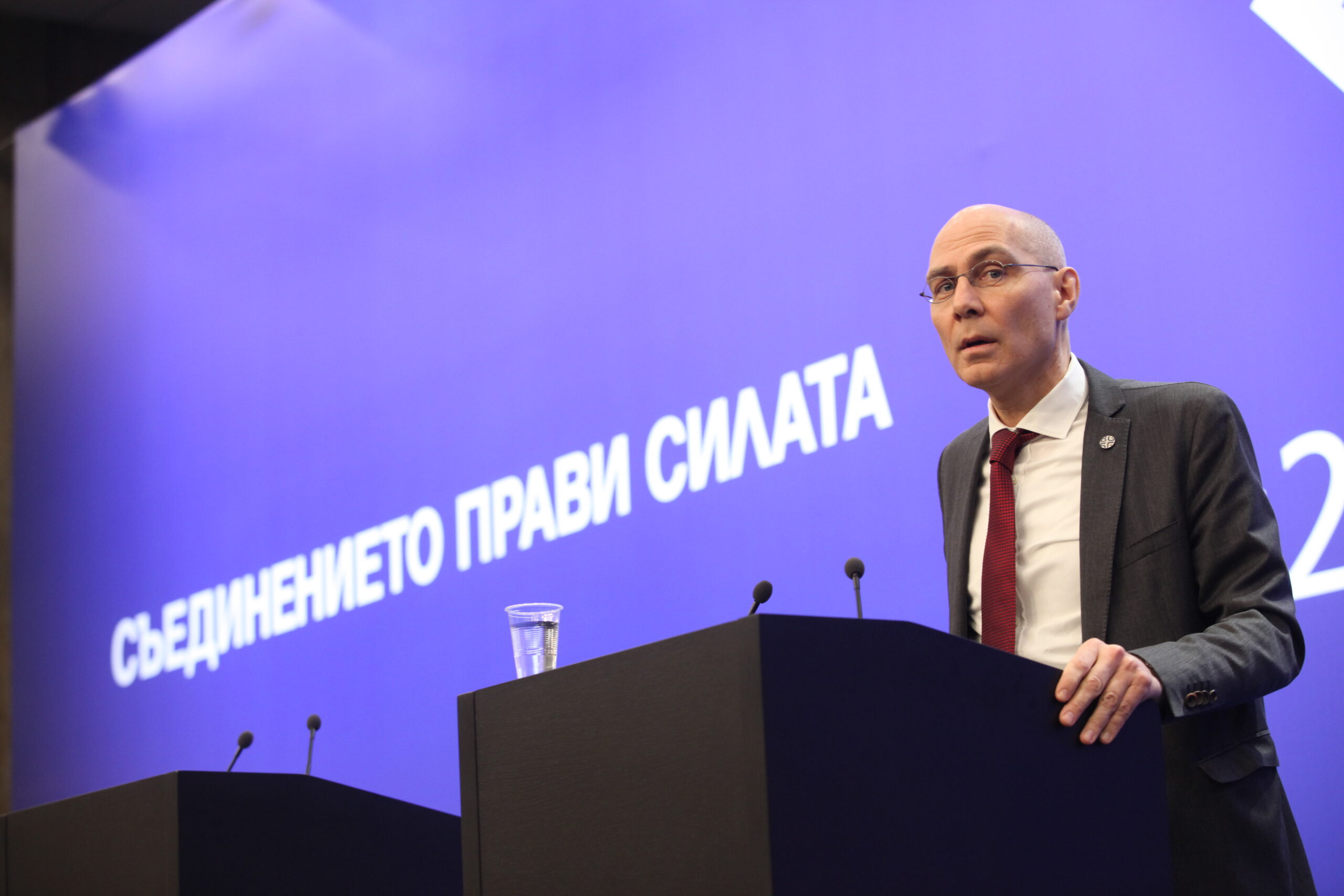
United Nations High Commissioner for Human Rights Volker Türk called on Monday for an international effort to establish strict safeguards around advanced artificial intelligence. Speaking at the UN Human Rights Council in Geneva, he said he shared experts’ concerns that highly capable systems could create grave — potentially existential — risks if developed without adequate controls.
The warning does not mean disaster is inevitable. Its central point is that technological progress is moving faster than governments and institutions can establish rules, test systems and assign responsibility. Türk urged robust safety guarantees before more autonomous tools are deployed in critical areas.
Infrastructure and democracy at stake
According to Reuters, the High Commissioner’s office identified critical infrastructure and democratic institutions as areas vulnerable to failures or abuse. Systems operating with limited human oversight could amplify cyberattacks, information manipulation and automated decisions that are difficult to challenge.
Türk also raised concerns about the concentration of power in a small number of companies. From a human-rights perspective, decisions with global consequences should not depend solely on voluntary corporate commitments. Transparency, impact assessments, independent audits and effective remedies are needed when people are harmed.
Red lines for high-risk uses
The debate also extends to military automation. Türk renewed calls for clear restrictions on lethal autonomous weapons, especially systems capable of selecting and attacking targets without meaningful human control.
There is no single global AI rulebook. Countries and regional blocs are adopting different approaches while multilateral bodies work toward common standards. Measures under discussion include independent pre-release testing, mandatory incident reporting, protections for security researchers and enhanced oversight in health, justice, finance, elections and defence.
The UN’s message is that innovation and protection are not opposing goals: the greater a system’s capability, the stronger the requirements for control, documentation and accountability should be.
Sources: Reuters and the Office of the United Nations High Commissioner for Human Rights (OHCHR).