
A report published on Wednesday, October 14, 2026, in BioScience identified record extremes in seven of the 16 climate indicators it tracks. Led by Oregon State University researchers, the synthesis brings together changes in the atmosphere, oceans and ice and calls for a faster response to warming.
What the indicators show
The extremes include concentrations of carbon dioxide, methane and nitrous oxide, ocean heat content and sea level, as well as lows in glacier thickness and Greenland ice mass. Estimates for ocean heat and sea level still rely on preliminary data.
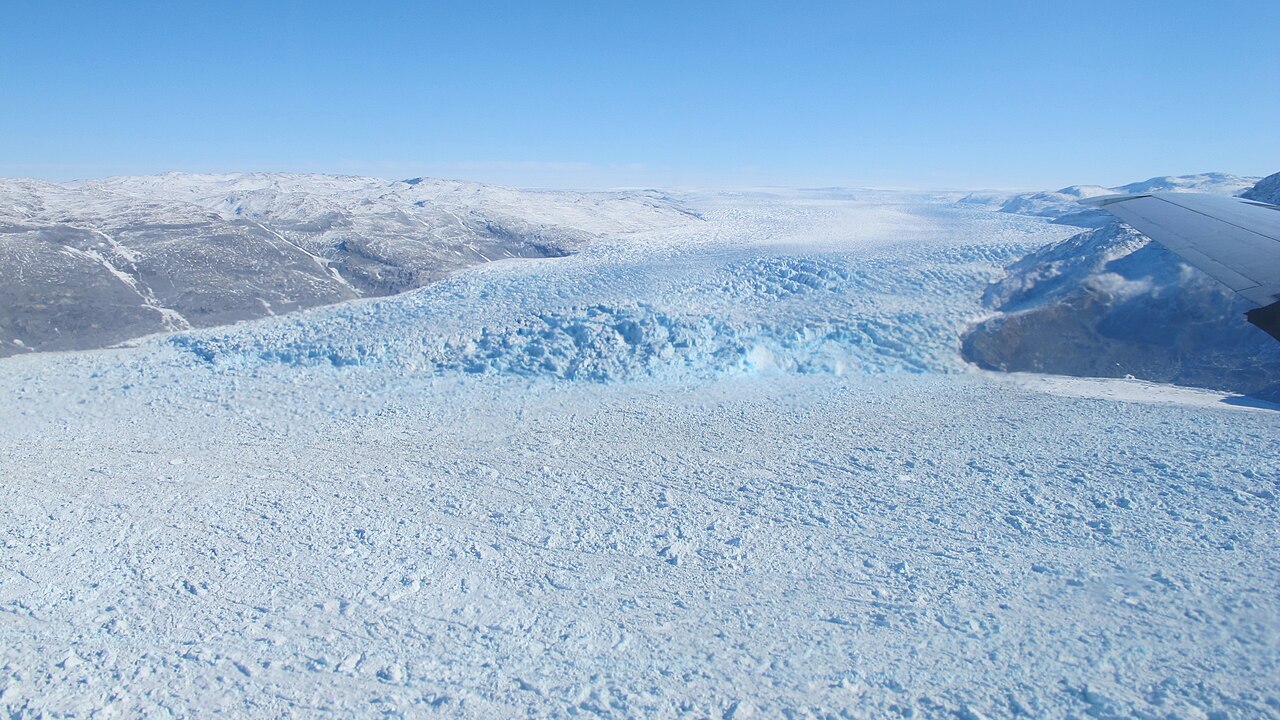
Land ice helps explain why this monitoring matters. According to NASA, observations from GRACE and GRACE Follow-On show mass loss in Greenland and Antarctica since 2002. When water previously stored on land reaches the ocean, it contributes to sea level rise. This process should not be confused with seasonal changes in sea ice extent.
Progress does not eliminate risks
In the university’s announcement, the authors point to expanding solar and wind energy and battery storage as opportunities. Even so, they advocate combining emissions cuts with adaptation, water conservation and ecosystem protection. The proposal is not to replace reducing fossil fuel use with local measures, but to act on both fronts.
Speaking to Eos, a publication of the American Geophysical Union, researcher Nico Wunderling, who was not involved in the report, described the negative trends as worrying and the speed of some solutions as encouraging. The warning about potential tipping points indicates a risk of changes that are difficult to reverse; it does not set an inevitable date for a collapse.
The central message is that technological progress and environmental deterioration can coexist. Assessing results requires tracking both the deployment of solutions and the evolution of physical indicators.
File photograph: a glacier in southwest Greenland, photographed on April 15, 2014. NASA/Jim Yungel, via Wikimedia Commons. CC BY 2.0; resized without altering the scene. It does not depict a 2026 event.