
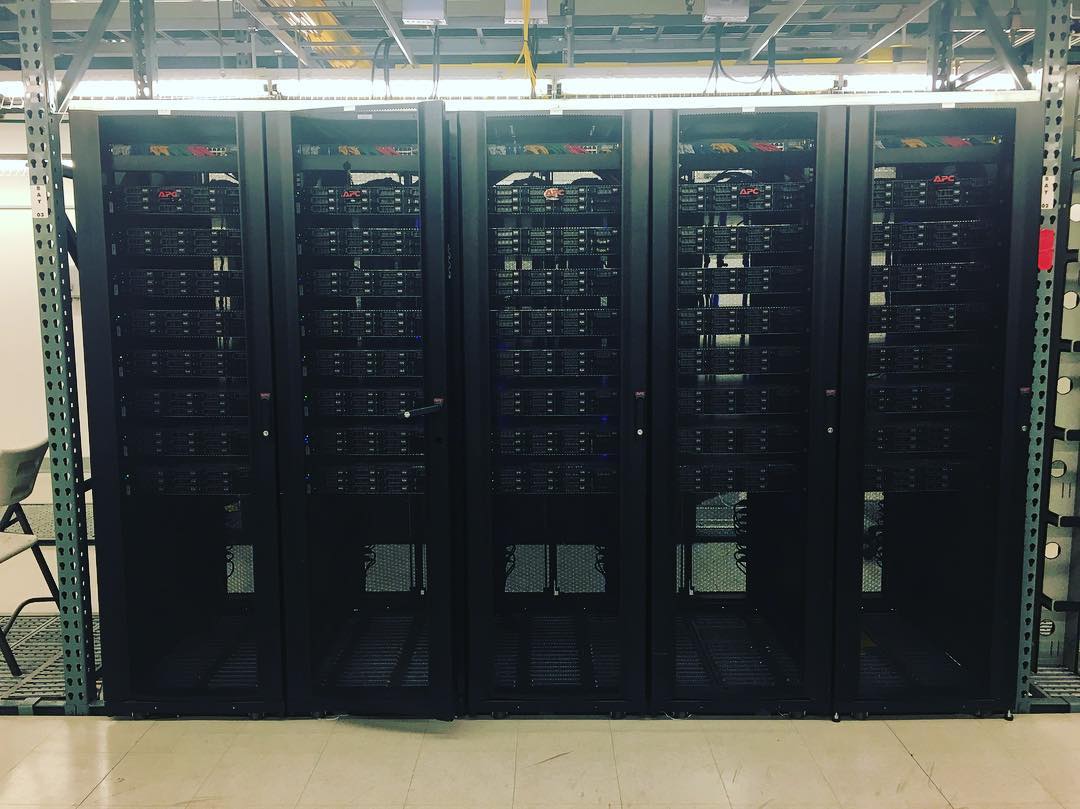
The National Congress has approved a special tax incentive regime aimed at establishing and expanding data centers in Brazil. The text, known as Redata, now moves to presidential sanction and is part of the government’s strategy to attract investments in digital infrastructure and artificial intelligence.
The proposal suspends federal taxes on equipment used in data processing centers, both for domestic purchases and imports when there is no equivalent product manufactured in the country. The estimated foregone tax revenue is R$ 7.25 billion between 2026 and 2028, according to information released during legislative proceedings.
In exchange for the benefits, companies must reserve part of their installed capacity for the Brazilian market and invest a portion of the equipment value in research and development. The requirements are lower for facilities located in the North, Northeast, and Midwest regions, as a way to encourage regional decentralization.
The bill also includes environmental and energy requirements. The approved text allows renewable or low-emission sources, a wording that generated debate because it could include natural gas. Data centers demand large volumes of electricity and water, making grid planning and environmental transparency central points of implementation.
Proponents of the measure argue that Brazil combines relatively clean energy, connectivity, and a consumer market to become a regional hub. Critics warn that the benefit needs to demonstrate a return in skilled jobs, local innovation, and future tax revenues to justify the fiscal cost.
Presidential sanction and regulation will need to define technical criteria, oversight of requirements, and conditions for joining the program. These details will determine whether the program will stimulate a national technology chain or function mainly as a tax reduction for imported equipment.