

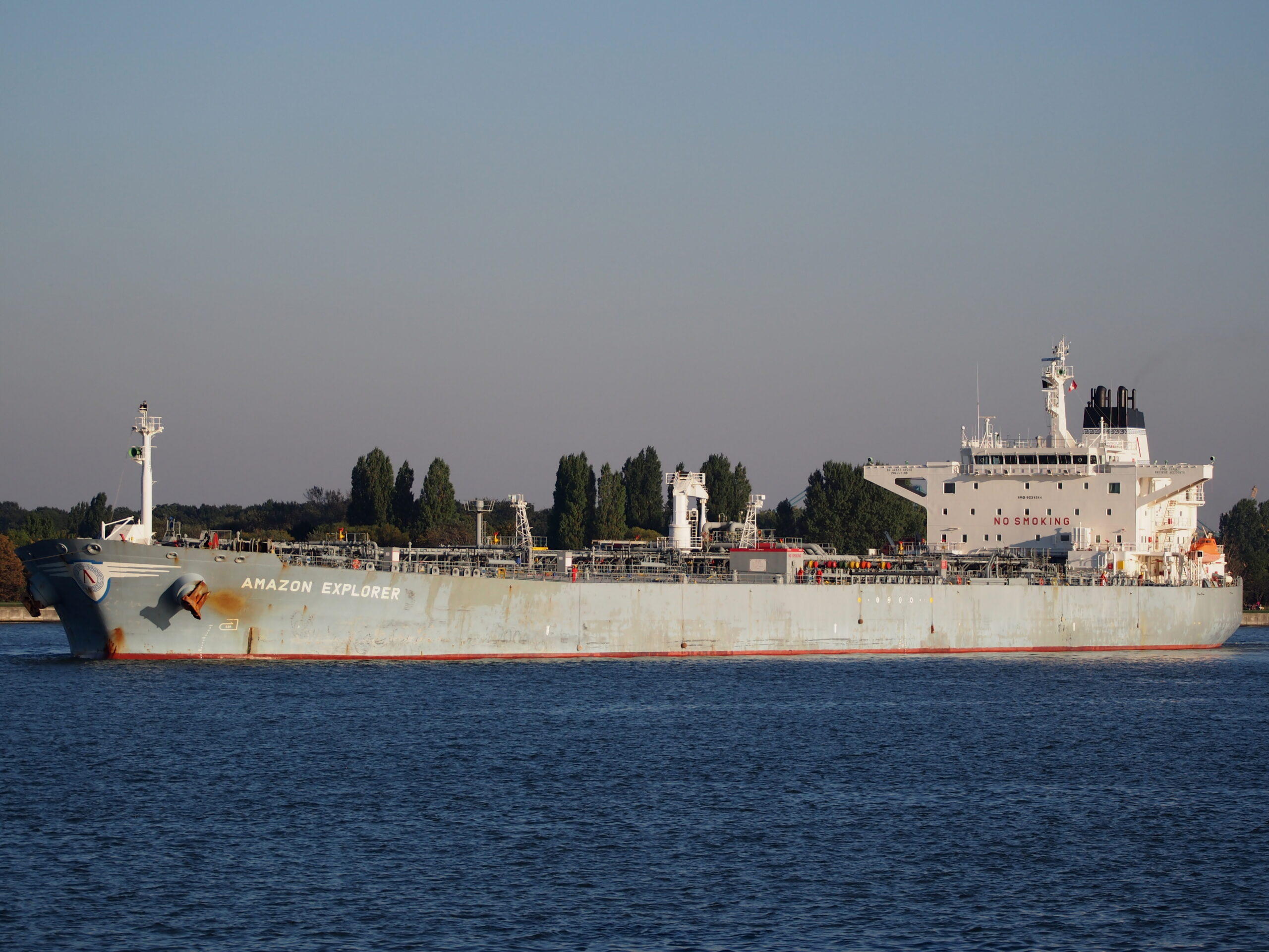
Global oil supply is expected to fall by an average of 5.7 million barrels per day in 2026, a decline of about 6% from the previous year, according to the September edition of the International Energy Agency’s monthly report. The new estimate, released on Friday, September 11, represents a sharper contraction than previously forecast and suggests that normal Gulf oil flows may not be restored until 2027.
The revision comes as conflict continues in the Middle East, shipping routes remain constrained and attacks affect energy infrastructure and vessels. Together, these disruptions have reduced the amount of oil effectively reaching the market, even as producers look for alternative export routes.
Supply is falling faster than demand
The IEA also lowered its forecast for global consumption. Oil demand is now expected to decline by 2.5 million barrels per day this year, compared with an earlier estimate of a 1.6 million-barrel decline. High fuel prices and weaker activity in energy-intensive sectors are contributing to the reduction.
Even with lower consumption, supply is shrinking more quickly. The imbalance is forcing the market to rely on inventories. In August, global stocks fell at an estimated rate of 3.1 million barrels per day and reached about 7.8 billion barrels, a level last seen in 2023.
The U.S. Energy Information Administration reached a similar assessment of the physical pressure on the market. It estimated that Middle East production disruptions averaged 6.7 million barrels per day in August, up from 5 million in July.
Saudi supply records a steep decline
According to the IEA, Saudi crude supply fell by 2.3 million barrels per day in August to 6 million barrels per day, its lowest level in more than three decades. OPEC+ output also declined as damage to infrastructure and transport difficulties affected Gulf and Red Sea routes.
The Strait of Hormuz and the Bab el-Mandeb remain crucial to international supplies. Restrictions at these chokepoints require tankers to take longer routes or rely on ship-to-ship transfers, increasing costs and limiting the speed at which exports can recover.
Fuel markets already reflect the pressure
Brent crude approached $110 a barrel during the week. Refined products rose even more sharply, with diesel reaching record levels in some markets. Damaged refineries and reduced inventories add to the pressure because crude oil must still be processed and transported before it reaches consumers.
The effects extend to inflation, transport and industry. Higher freight costs can spread through food and manufactured-goods supply chains, while businesses that depend on diesel, aviation fuel and petrochemical feedstocks face additional expenses. The eventual impact will depend on the duration of the disruptions and the ability to expand alternative routes.
Recovery is projected for 2027
The IEA expects oil demand to return to growth in 2027, increasing by an estimated 2.6 million barrels per day. OPEC also projects expansion next year, although the two organizations differ sharply in their assessments for 2026.
These forecasts are not guarantees of future prices or supply. They depend on developments in the conflicts, maritime security, the pace of repairs and the rebuilding of inventories. The U.S. EIA says much of the interrupted output and trade may not return to pre-crisis levels until the second half of 2027.