

Global oil supply is expected to fall by an average of 5.7 million barrels per day in 2026, a reduction of approximately 6% compared to the previous year, according to the September edition of the monthly report from the International Energy Agency (IEA). The new estimate, released this Friday (11), worsens the previous projection and indicates that the normalization of Gulf flows could be delayed until 2027.
The revision comes amid ongoing conflicts in the Middle East, restrictions on maritime routes, and attacks on facilities and vessels linked to the energy sector. The combined effect has reduced the amount of oil effectively reaching the market, even as producers seek alternative routes.
Supply drops faster than demand
The IEA also reduced its forecast for world consumption. Demand is expected to decline by 2.5 million barrels per day this year, compared to the previous estimate of a 1.6 million drop. More expensive fuels and the slowdown of energy-intensive activities help explain the revision.
Despite lower demand, supply is shrinking at an even faster pace. This difference forces the market to draw on inventories to balance consumption and availability. In August, global inventories fell at an estimated rate of 3.1 million barrels per day, reaching around 7.8 billion barrels, a level similar to that observed in 2023.
The U.S. Energy Information Administration (EIA) reached a convergent reading on the physical pressure in the market. The agency estimated that production disruptions in the Middle East averaged 6.7 million barrels per day in August, up from 5 million recorded in July.
Saudi Arabia records sharp reduction
According to the IEA, crude oil supply from Saudi Arabia fell by 2.3 million barrels per day in August to 6 million. It was the lowest level in more than three decades. Joint OPEC+ production also decreased, affected by infrastructure damage and transport difficulties in the Gulf and the Red Sea.
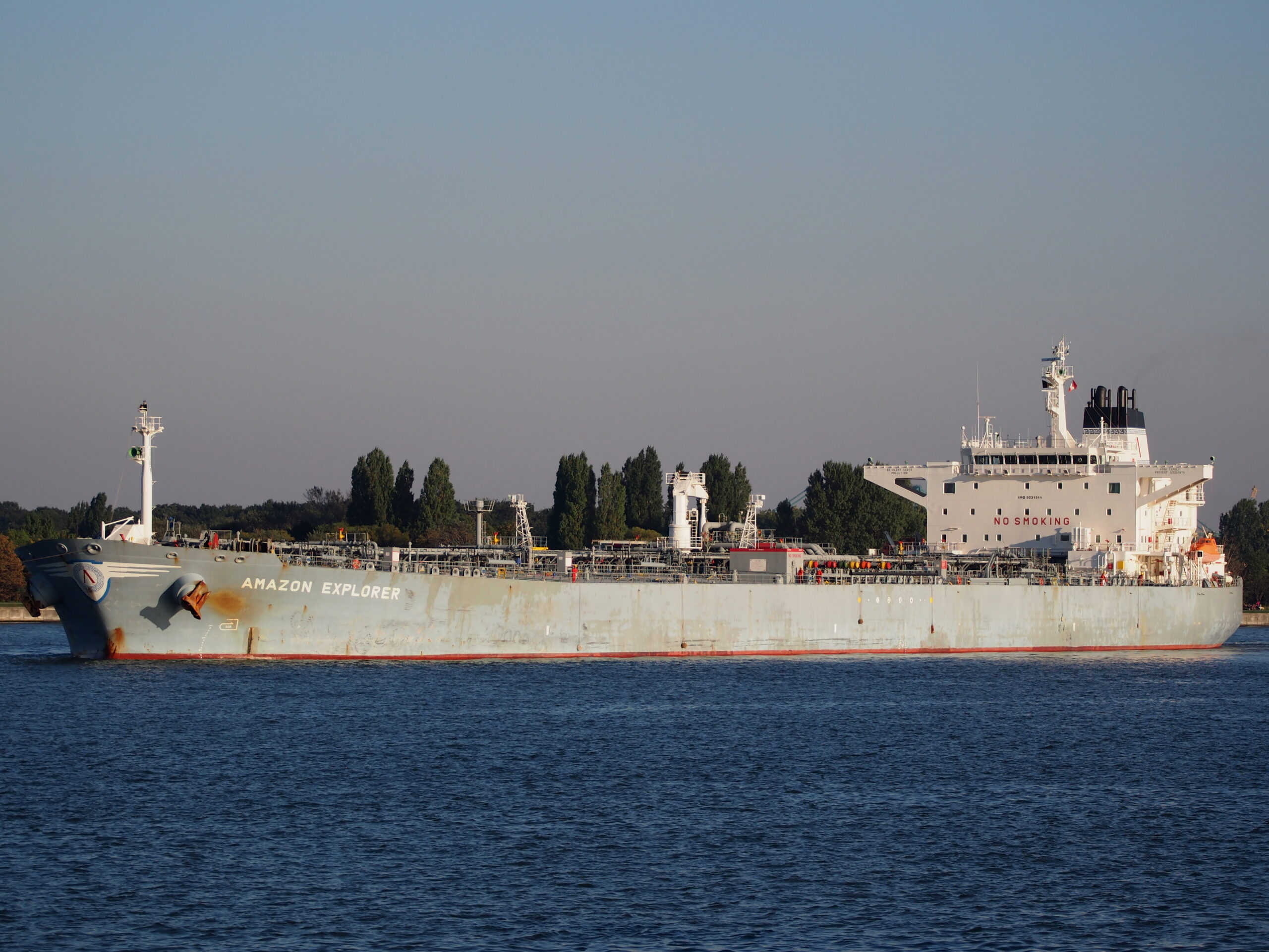
The Straits of Hormuz and Bab el-Mandeb remain central to international supply. Restrictions in these passages force oil tankers to travel longer routes or use ship-to-ship transfers, raising costs and limiting the speed of export recovery.
Impact already shows in fuels
Brent crude approached US$ 110 per barrel during the week. Refined products rose even higher, with diesel reaching record prices in some markets. Damaged refineries and lower inventories amplify the pressure because having crude oil available is not enough: it needs to be processed and transported to consumers.
The scenario also affects inflation, transportation, and industry. Higher freight costs could impact food and manufactured goods supply chains, while companies dependent on diesel, jet fuel, and petrochemical raw materials face higher costs. The intensity of this impact will depend on the duration of the disruptions and the ability to expand alternative routes.
Recovery is projected for 2027
The IEA expects consumption to grow again in 2027, with an estimated increase of 2.6 million barrels per day. OPEC also projects expansion next year, although the two organizations present different assessments for 2026 demand.
The projections do not guarantee prices or supply. They depend on the evolution of conflicts, the security of maritime routes, the pace of facility repairs, and the rebuilding of inventories. The U.S. EIA estimates that a significant portion of disrupted flows could take until the second half of 2027 to return to pre-crisis levels.