

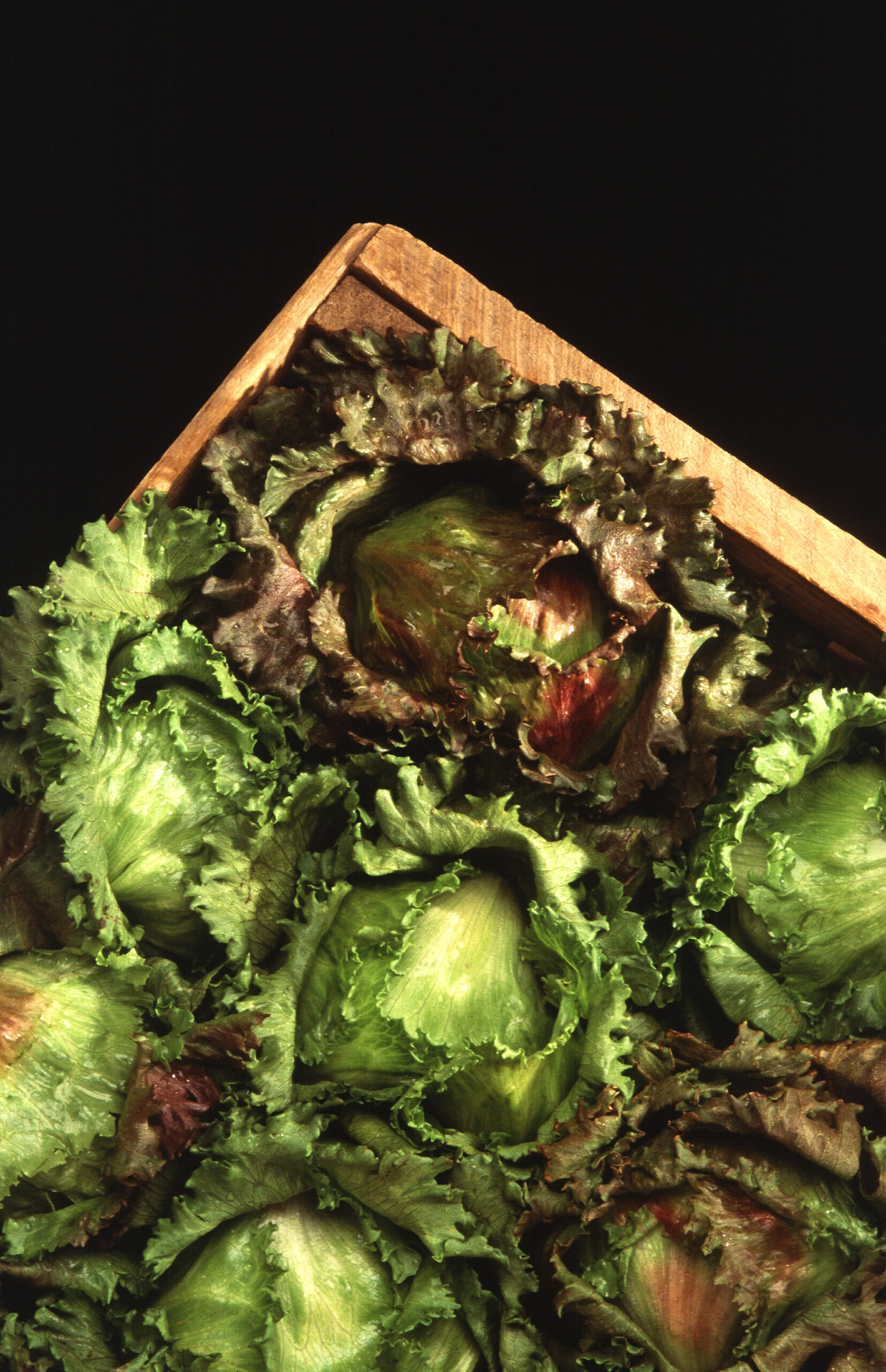
US health officials declared on Friday, September 11, the end of the largest multistate outbreak of Cyclospora infections ever recorded in the country. The outbreak, associated with processed iceberg lettuce, affected 12,883 people across 21 states, led to 570 hospitalizations, and resulted in two deaths, according to the final toll from the Centers for Disease Control and Prevention (CDC).
The end of the alert means that recent infections linked to this batch have dropped sharply and that the products involved are past their expiration date and no longer available in stores or restaurants. The CDC states that, at this time, there is no risk of falling ill with Cyclospora from the lettuce related to the outbreak.
Drop in cases allowed alert to end
At the peak of the outbreak, before the product recall, more than a thousand infections occurred in a single day. In August, the average dropped to fewer than two daily cases associated with the same source. The sustained reduction led the CDC to publish its final update on Friday.
The specific outbreak accounted for more than half of the 19,595 laboratory-confirmed cyclosporiasis cases in the United States since May 1, according to data cited by Reuters. The scale made 2026 the worst year on record in the country for the parasite-borne disease.
Lettuce was recalled from the market
The joint investigation by federal and state officials linked the outbreak to processed iceberg lettuce supplied by Taylor Farms de México. On July 17, the company recalled lettuce sourced from central Mexico. All items associated with the outbreak are now past their expiration date.
Although the outbreak has ended, the investigation is not completely closed. The United States Food and Drug Administration (FDA) continues to investigate how the lettuce became contaminated. Therefore, officials have identified the product linked to the infections, but have not yet determined the exact source of contamination.
What is cyclosporiasis
Cyclosporiasis is an intestinal infection caused by the microscopic parasite Cyclospora cayetanensis. Transmission occurs through the consumption of contaminated food or water. Among the most common symptoms are watery diarrhea, loss of appetite, cramping, bloating, nausea, and fatigue.
Symptoms usually appear about a week after exposure, although this window can range from two days to two weeks or more. Direct person-to-person transmission is considered unlikely because the parasite needs to remain outside the body for some time before becoming infectious.
Precautions remain important
The end of this outbreak does not eliminate the possibility of cases stemming from other sources. The CDC recommends washing hands and fresh produce under running water before eating, cutting, or preparing. The agency emphasizes that washing reduces risks but does not guarantee complete removal of the parasite; proper cooking can destroy it.
The update represents the closure of a specific emergency, not a general clearance of all food-related risks. Authorities maintain surveillance for new cases, and the FDA may release additional information if it identifies how the contamination occurred.