

US consumer inflation accelerated in August, driven mainly by a rebound in gasoline prices. The Consumer Price Index (CPI) advanced 0.4% compared to July, when it had risen 0.1%, according to data released this Friday (11) by the Department of Labor.
Compared to August 2025, prices increased 3.4%, matching the annual rate recorded in July. The monthly result reinforces the perception that the energy shock has returned to weigh on the cost of living, even without a new acceleration in the 12-month accumulated rate.
Gasoline accounts for major part of pressure
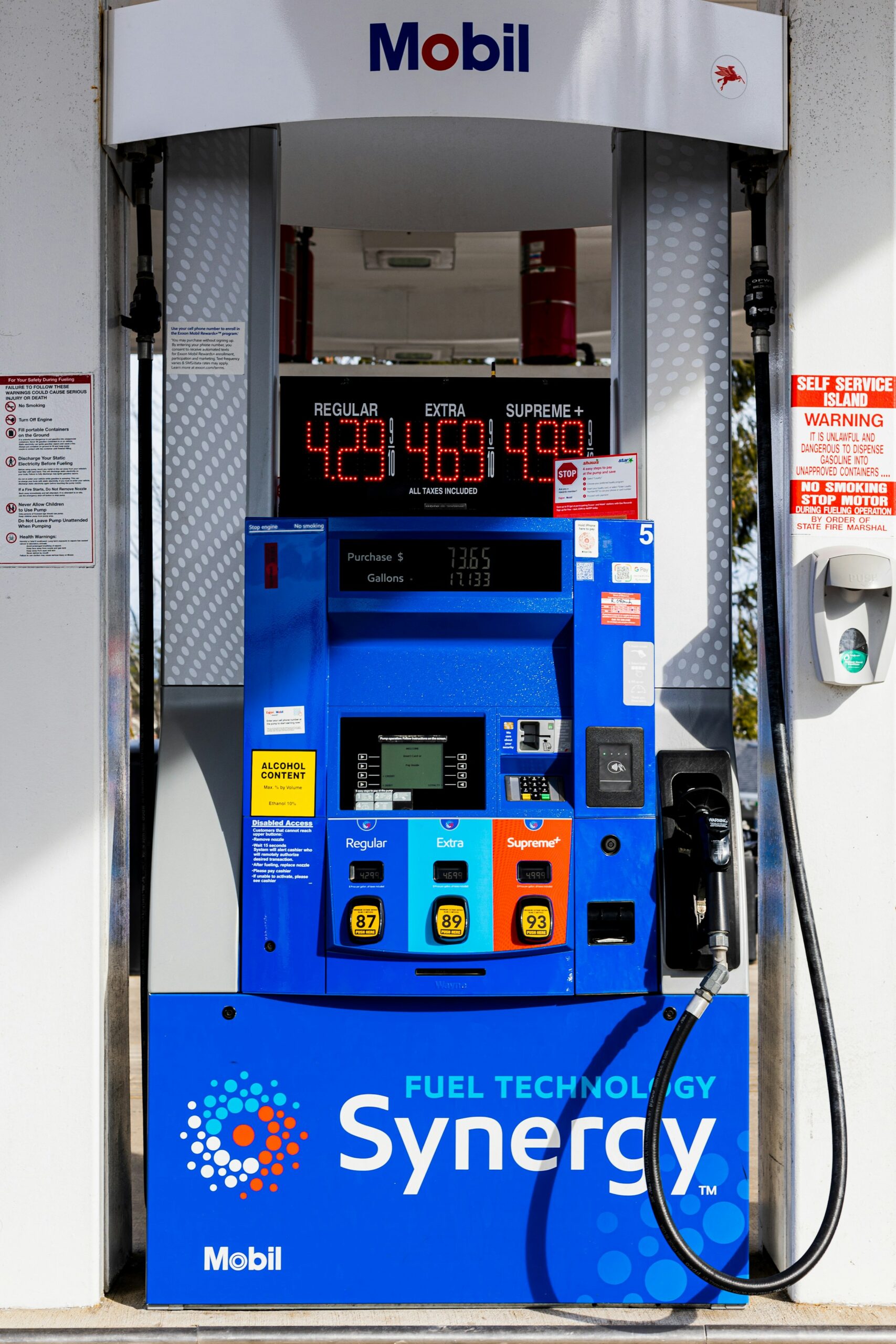
Gasoline was one of the main components of the monthly increase. According to the Associated Press, the national average price of a gallon reached around US$ 4.30 this Friday, more than 7% above the level observed a month earlier.
The price increase comes amid disruptions in the supply of crude oil and refined products caused by worsening conflicts in the Middle East. The impact is not limited to fueling cars: more expensive diesel and jet fuel can raise transport costs, fares, and goods distribution.
Prices for hotels, airline tickets, and new and used vehicles also rose in August. On the other hand, grocery food and apparel remained stable on a monthly comparison, according to AP.
Core inflation slows over 12 months
Core CPI, which excludes the more volatile food and energy components, advanced 0.3% between July and August. Over 12 months, the increase was 2.4%, down from the 2.5% recorded in the previous month. It was the third consecutive annual deceleration of this measure.
The reading shows mixed signals. The reduction in core inflation on an annual comparison suggests moderation in some prices, but the 0.3% monthly increase indicates that inflationary pressure has not yet disappeared. The Federal Reserve primarily uses the Personal Consumption Expenditures (PCE) price index to track its 2% inflation target, but the CPI influences market expectations and assessment of the cost of living.
Data increases uncertainty ahead of Fed meeting
The new indicator was released just days before the Federal Reserve meeting scheduled for September 15 and 16. Reuters reported that economists expected exactly a 0.4% monthly increase and a 3.4% annual rate.
Prior to the release, markets assigned a probability close to 70% to a 0.25 percentage point increase in the benchmark rate. This estimate can fluctuate quickly and does not represent an advance decision by the central bank. Policymakers still need to evaluate the full set of inflation, activity, and employment data.
Higher interest rates typically make financing, credit cards, and loans more expensive, while reducing demand and helping to contain prices. Keeping rates unchanged could avoid additional pressure on the economy, but would prolong the risk of inflation remaining above target.
Energy remains main risk factor
Fuel trends will be decisive for upcoming indicators. If energy costs remain elevated, the impact could spread to truck-transported goods, services, and travel. If supply normalizes, part of the increase could lose momentum.
For now, the August data confirms that US inflation remains above the Federal Reserve’s target and that household budgets remain exposed to international oil price fluctuations. The September decision will depend on how the central bank interprets the combination of the monthly price rise and the annual deceleration in core inflation.
Sources: Reuters and Associated Press. Information published on September 11, 2026.