

A new international initiative will bring together 27 research institutions to expand and integrate observations of Antarctica and the Southern Ocean. The SYNCHRONY project received around 8.5 million euros from the European Union and will have four years to organize networks, standardize measurements, and produce datasets on the region’s climate and ecosystems.
A decisive region for the planet
The Southern Ocean connects the main ocean basins and participates in the redistribution of heat, carbon, oxygen, and nutrients. The waters around Antarctica also influence the formation of deep currents that help sustain global circulation.
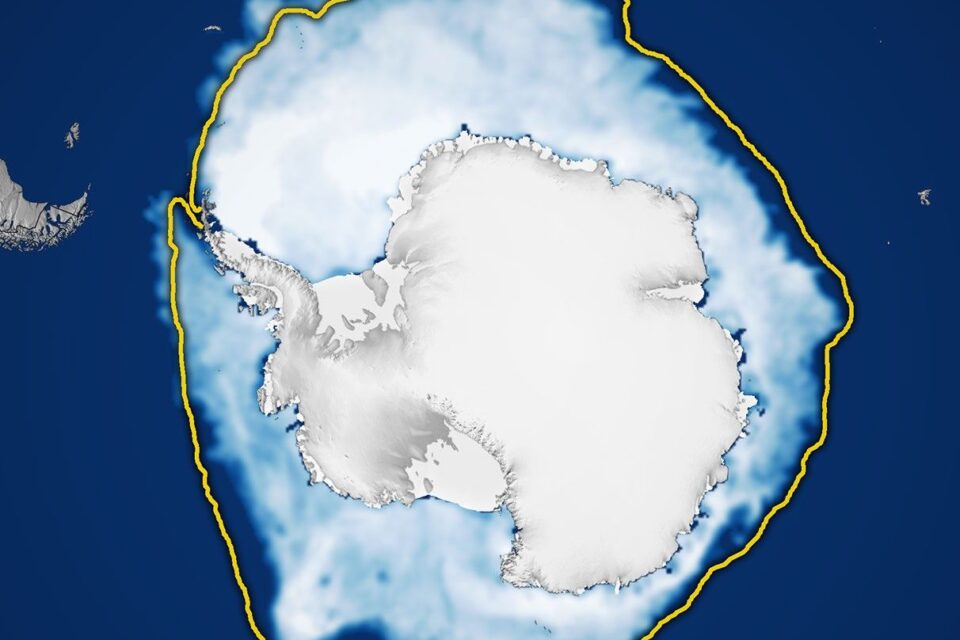
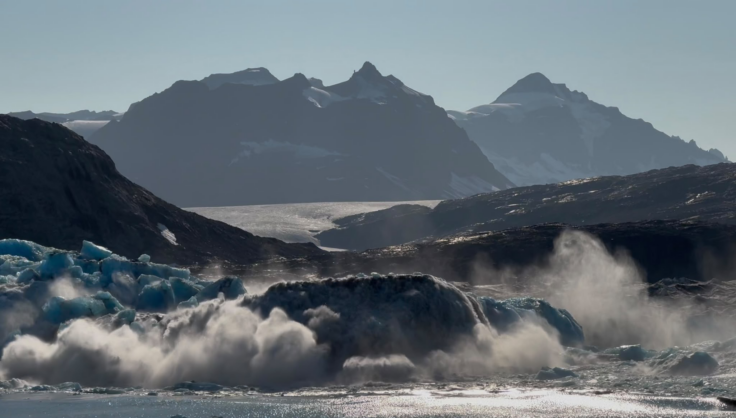
At the same time, sea ice cover shows significant changes, parts of the West Antarctic Ice Sheet are losing mass, and scientists are investigating signs of a slowdown in deep water formation. These processes can affect the climate, marine ecosystems, and sea level far beyond the polar regions.
Data exists, but it is still scattered
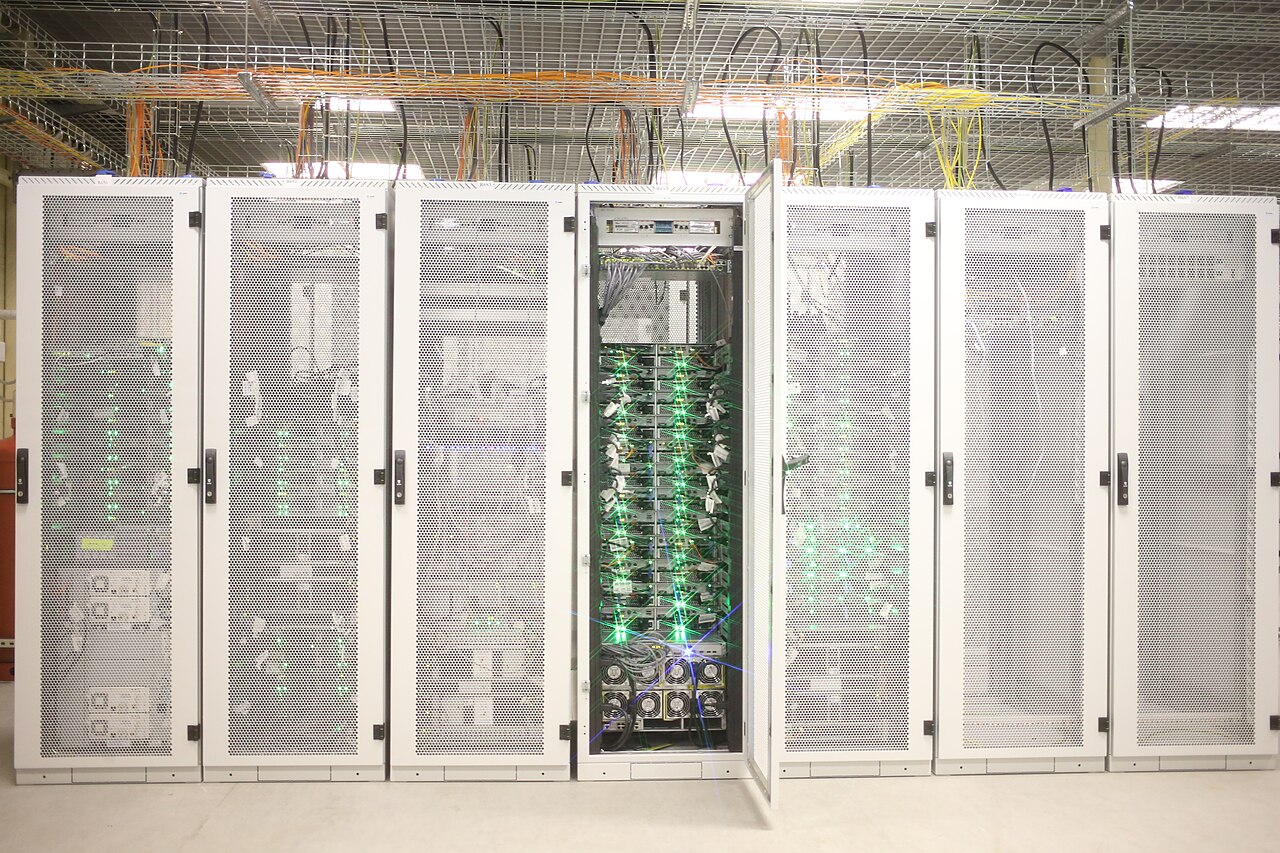
Ships, satellites, buoys, stations, underwater gliders, and autonomous sensors already produce large volumes of information. One of the challenges is connecting time series collected by different countries, institutions, and instruments. Spatial and temporal gaps also make it difficult to assess trends and build reliable forecasts.
SYNCHRONY aims to coordinate these sources, establish long-term standards, and create new scientific products that portray the health of the Southern Ocean. The work will be led by the Alfred Wegener Institute, with participation from the British Antarctic Survey, the Scientific Committee on Antarctic Research, the National Oceanography Centre, and European universities.
Preparation for a major polar decade
The infrastructure will be connected to the Antarctica InSync initiative, linked to the United Nations Decade of Ocean Science. Between 2027 and 2029, this cooperation is expected to form one of the largest observation networks ever deployed in a polar environment.
The project also prepares data and methods for the fifth International Polar Year, scheduled for 2032 and 2033. Cruises by the research vessel Polarstern, autonomous instruments, and observatories in the Weddell Sea will be part of the strategy.
Climate, sea level, and biodiversity
Monitoring the region continuously will help measure changes in ice extent and thickness, ocean heat and carbon storage, and the distribution of marine organisms. Combining this information can reduce model uncertainties and make projections more useful for governments and coastal communities.
The scale of the challenge explains the cooperation: no single country can observe such a vast, remote area subject to extreme conditions on its own. SYNCHRONY’s value will lie both in new instruments and in the ability to make different measurements talk to each other.
Source
British Antarctic Survey — UK scientists join international effort to study changing Southern Ocean.
Featured image: Stefan Hendricks/British Antarctic Survey.